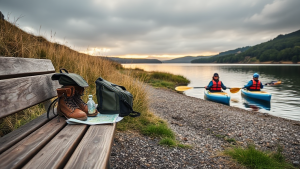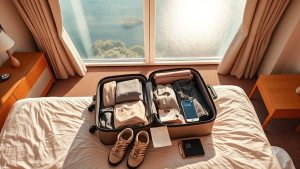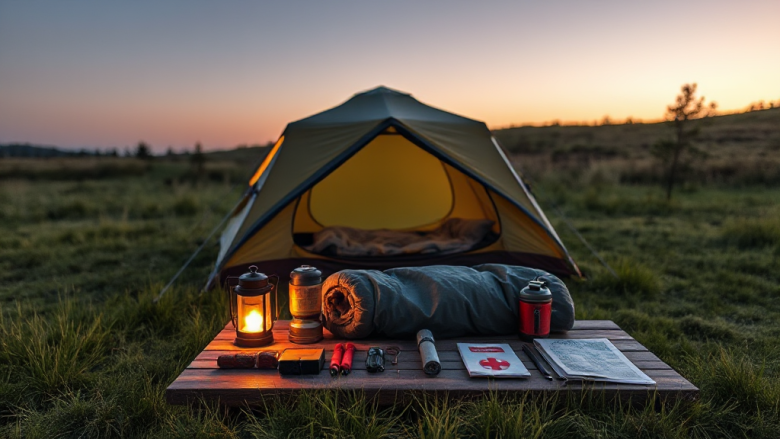
Three things ruin a first camping trip faster than anything else: a wet sleeping bag, no way to make fire or boil water, and arriving after dark with no light source. Everything else on this camping essentials checklist for first timers is negotiable. Those three are not. Get them right, and a first night under canvas can be genuinely enjoyable rather than something you endure until morning.
I borrowed most of my gear for my first trip and learned the hard way which items earn their place in the bag. This is the list I wish someone had handed me: the must-haves first, the nice-to-haves second, and a short section on the mistakes that catch nearly every beginner.
The Must-Haves: Shelter, Sleep and Fire
Your tent is the one piece of kit worth spending real money on, or at least borrowing from someone who owns a decent one. A cheap festival tent will keep you dry in light rain and fold flat in a proper downpour. Look for a tent with a separate outer fly sheet, taped seams and a bathtub-style groundsheet that curves up at the edges. Pitch it once at home before you go. A tent you have never assembled, in fading light, with midges circling, is a miserable puzzle.
Underneath the tent, take a groundsheet or footprint. It protects the base from stones and adds a layer of insulation against cold ground. Pegs supplied with budget tents are usually thin wire that bends the moment they hit a root. Swap them for stronger ones if you can, and pack a small mallet or a sturdy stone for hammering.
Sleeping gear matters more than beginners expect. A sleeping bag rated for the temperature you will actually face, not the temperature you hope for, is the difference between a good night and a long one. As a rough rule, take a bag rated about five degrees colder than the forecast low. A sleeping mat is not optional. The ground pulls heat out of you all night, and a mat insulates you from it. Closed-cell foam mats are cheap and indestructible; inflatable ones pack smaller and sleep better.
For fire and water, bring at least two ways to make a flame. A lighter is fine until it gets wet or runs out. A box of matches in a waterproof container costs almost nothing and saves trips. If you plan to cook, a small gas stove, a lighter or matches, and a pot with a lid cover most first-timer meals. You also need a way to treat or carry water. A couple of large bottles and a filter or purification tablets will do for a weekend.
Clothing and Personal Kit That Actually Works
Cotton is the enemy of a comfortable night outdoors. It soaks up sweat and rain, then holds it against your skin and chills you. Pack layers made of wool or synthetic fabrics instead. A base layer to wick moisture, a fleece or light down mid-layer for warmth, and a waterproof shell for rain. Even in summer, nights get cold, so include a hat and a pair of warm socks for sleeping.
Take one complete spare set of clothes kept dry in a bag. If you get soaked, having dry clothes to change into is a small luxury that feels enormous. Footwear should be broken-in boots or sturdy trainers for walking, plus a pair of shoes you can slip on for midnight trips to the loo. Flip-flops or crocs are ideal for that.
Personal kit is where people overpack. You need a toothbrush, toothpaste, a small towel, and any medication you take. Sunscreen and insect repellent earn their weight in summer. A basic first aid kit with plasters, painkillers, blister treatment and any personal medication covers most minor mishaps. Toilet roll in a sealed bag, plus a trowel if you are camping somewhere without facilities, is not glamorous but is essential.
Lighting deserves its own mention. A head torch is far better than a handheld torch because it leaves your hands free. Take spare batteries. A small lantern for the tent makes evenings much more pleasant. And a power bank for your phone, because you will use it more than you think for photos and maps.
Nice-to-Haves That Make the Trip Better
Once the essentials are packed, a few extras turn a functional trip into a comfortable one. A camping chair is the item most first timers skip and then miss. Sitting on the ground or a damp log gets old quickly. A small folding table gives you somewhere to put a mug and a plate.
A stove with a windshield, or a simple windbreak made from foil, makes cooking far easier on a breezy evening. A cooler bag or box keeps food fresh for a weekend and doubles as a seat. Bring simple food: pasta, rice, tinned beans, bread, cheese, and something easy for breakfast. Freeze a bottle of water and use it as an ice block, then drink it as it melts.
A tarp and a length of cord give you a dry area to sit if it rains. A small repair kit with tape, a spare peg or two, and a needle and thread for tent fabric has saved many trips. Earplugs help if you are camping near others or near wildlife. A book or a pack of cards fills the quiet hours after dark. A bin bag for rubbish and a separate one for wet gear keeps your tent from turning into a swamp.
If you are camping with children, add a few extra layers, snacks, and a torch each. They will lose theirs. A small game or two pays off when the light fades.
Troubleshooting Common First-Timer Mistakes
The most common mistake is arriving late. Pitch your tent in daylight if you possibly can. If you cannot, practise at home first and carry a head torch so you can see what you are doing. Arriving at a campsite after the office closes can also mean no one to ask about pitches, so check arrival times before you travel.
Pitching on a slope is another classic. You will slide to the bottom of the tent all night. Look for flat ground, and if the site is sloped, sleep with your head uphill. Avoid pitching under trees with dead branches, and avoid the lowest point of a field where water collects if it rains.
Forgetting to check the weather is a mistake that turns a pleasant trip into a wet one. Check the forecast the day before and pack accordingly. If heavy rain is due, bring a tarp and extra dry bags. If it is going to be cold, add a warmer sleeping bag or an extra blanket.
Overpacking is the final trap. A heavy bag is tiring to carry and a cluttered tent is hard to live in. Lay everything out before you pack, and remove anything you cannot justify. You will almost certainly need less than you think.
Finally, do not forget to check what the campsite provides. Some have showers, electric hook-ups and shops; others are just a field with a tap. Knowing which you are visiting changes what you need to bring. A quick call or a look at the site details before you leave saves a lot of guesswork.
Pack the three essentials first, then build the rest of your kit around them. A dry sleeping bag, a way to make fire and boil water, and a reliable light source will carry you through a first trip. Everything else is comfort, and comfort can be added trip by trip. Start simple, stay dry, and you will almost certainly want to go again.