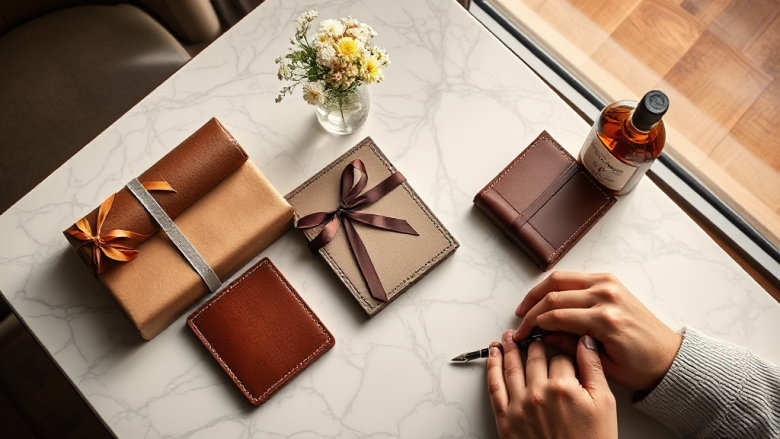
Before you scroll through another page of expensive-looking options, ask yourself one question: what should this gift say? A milestone birthday, a tenth anniversary, a promotion, a retirement — each one carries a different message. The best luxury gift ideas for him and her aren’t the priciest things on the shelf. They’re the ones that match the occasion, the recipient’s personality, and the life they actually live.
That’s the trap most shoppers fall into. They start with a budget and work backwards, which is how people end up with a crystal decanter nobody uses or a designer scarf still folded in its box two years later. Start with the message instead. Then let the budget follow.
Start With the Occasion, Not the Price Tag
Occasion shapes everything. A gift for a 30th birthday should feel like momentum — something they’ll use in the next chapter. A 50th or 60th often calls for permanence: an object meant to be handed down, or an experience they’d never book for themselves. Anniversaries sit somewhere in between, and they reward symbolism more than novelty.
Wedding gifts are their own category. Couples registering for luxury items usually want things that work in a shared home, which is why upgraded kitchen equipment, good linen, and proper glassware outperform anything personal. Personal gifts for weddings tend to land awkwardly — you’re celebrating a pair, not an individual.
Retirement changes the calculation again. The recipient is stepping out of a structured routine, so the gift should either support a hobby they’ve been putting off or make free time feel genuinely luxurious. A first-class travel case, a serious camera, or a membership to something they’d never justify buying themselves all work here. A monogrammed pen does not.
Corporate milestone gifts — long service, a senior promotion — are trickier because you don’t know their taste well. Stay functional and understated. A good leather folio, a quality desk clock, a bottle of something genuinely rare. Skip anything that requires knowing their style.
Reading Personality: The Four Recipient Types
Once the occasion is set, personality does the heavy lifting. Most people fall into one of four broad types, and each one responds to a different kind of luxury.
The collector already owns the obvious things. They don’t need another watch or another fragrance. What they want is something specific to their obsession — a first edition, a rare pressing, a piece from a maker they’ve been following for years. The risk here is getting the detail wrong. If you’re not certain about the niche, ask someone who is, or choose an experience connected to it instead.
The user values things they’ll touch every day. For this person, luxury means better materials in ordinary objects: a cashmere throw they’ll actually wrap around themselves, a leather bag that ages well, a chef’s knife that makes cooking feel different. The gift earns its keep through daily contact, not display.
The experience-seeker doesn’t want objects at all. They want a memory with a date attached — a tasting menu, a weekend somewhere remote, tickets to something they’d never book. Luxury here means access and ease: no queues, no logistics, no compromises. Pair it with one small physical keepsake so there’s something to unwrap.
The minimalist is the hardest to shop for and the easiest to get wrong. They’ve spent years removing things from their life. A luxury gift for a minimalist has to be consumable, replaceable, or genuinely better than what they already own. Fine food, a spa treatment, a single excellent item that replaces three mediocre ones. Volume is the enemy.
Budget Tiers: What Real Money Buys at Each Level
Luxury isn’t one price point. It’s a tiered market, and knowing what each tier actually delivers stops you from overpaying for packaging.
At the entry luxury level — roughly a few hundred pounds — you’re buying craftsmanship in small objects. Leather goods, silk, cashmere accessories, a good fountain pen, a bottle of aged spirits. The quality jump from high street to this tier is real and noticeable. The jump from here to the next tier is smaller than the price difference suggests.
In the mid tier, you’re paying for materials and maker reputation. This is where serious watches, proper jewellery, tailored pieces, and high-end audio live. It’s also where personalisation starts to matter — engraving, monogramming, made-to-order sizing. If the gift is for a milestone, this is usually the sweet spot: significant enough to feel weighty, not so expensive that it becomes a burden.
The top tier is where you’re buying rarity, provenance, or access. Handmade pieces from small ateliers, vintage items with documented history, experiences money can’t easily book. At this level, the gift should be something the recipient could not reasonably buy for themselves. That’s the whole point. If they could, it’s just an expensive purchase, not a gift.
One practical note: luxury resale is now a mainstream market, which means a well-chosen pre-owned piece can deliver far more value than a new item at the same price. For watches, jewellery, and handbags especially, buying pre-owned from a reputable dealer is often the smarter move. Just make sure the recipient is comfortable with it — some people are, some aren’t, and it’s worth knowing which before you commit.
Where Luxury Gifts Usually Go Wrong
Most disappointing luxury gifts fail for one of four reasons.
The first is buying for the person you wish they were. The hiking boots for someone who never hikes. The cocktail set for someone who doesn’t drink. It’s an easy mistake because the gift says more about your idea of them than their actual life.
The second is choosing status over use. A logo-heavy item can feel like a compliment or an insult, depending on the recipient. Some people love being seen with a recognisable brand. Others find it embarrassing. Know which one you’re shopping for.
The third is forgetting the cost of ownership. A luxury gift sometimes comes with ongoing expense — servicing a watch, insuring jewellery, storing a large piece. If the gift creates a bill for the recipient, it isn’t really a gift.
The fourth is over-personalising. Engraving a name is fine. Engraving a long message, a date, or a nickname limits the item permanently. If there’s any chance the recipient might resell or pass it on, keep the personalisation minimal.
One short list is worth keeping in mind when you’re deciding:
- Does it match the occasion’s tone?
- Would they buy it for themselves if they had the budget?
- Does it create any ongoing cost or obligation?
- Can they use it within the first month?
If you can answer yes to the first two and no to the third, you’re almost certainly on the right track.
Frequently Asked Questions
What’s a safe luxury gift if I don’t know their taste well?
Go consumable or upgradable. A bottle of something rare, a high-quality food hamper, a spa credit, or a gift certificate to a maker they already buy from. These avoid the style guess entirely. Avoid anything that requires a size, a colour preference, or a personal aesthetic.
Is an experience better than an object?
It depends on the person, not the price. Experience-seekers remember trips and meals far longer than objects. Collectors and users often prefer something they can hold. If you’re unsure, pair a modest experience with a small physical item so the gift works either way.
How much should I spend on a milestone luxury gift?
There’s no universal figure, but a useful benchmark is roughly one to three months of the recipient’s disposable income for a major milestone — a significant birthday, a major anniversary. For smaller occasions, entry-level luxury is plenty. The relationship matters more than the number.
Should I buy pre-owned to get more for my money?
Often yes, particularly for watches, jewellery, and handbags, where depreciation is steep and quality holds. Buy from a dealer with a clear returns policy and authentication process. Mention it openly — some recipients love the value, others want the unwrapping experience of something new.
What if I get it wrong?
Keep the receipt and say so. Most people would rather exchange a gift than keep something they’ll never use, and a luxury item with a generous return window is a far better gift than one bought on a strict no-refund basis. Awkwardness fades. A useless object in a cupboard doesn’t.